Rome in One Day: What to See, and in What Order
An hour-by-hour itinerary from people who work in these streets. With the real distances between stops, and the two moments in the day when you should not be walking.
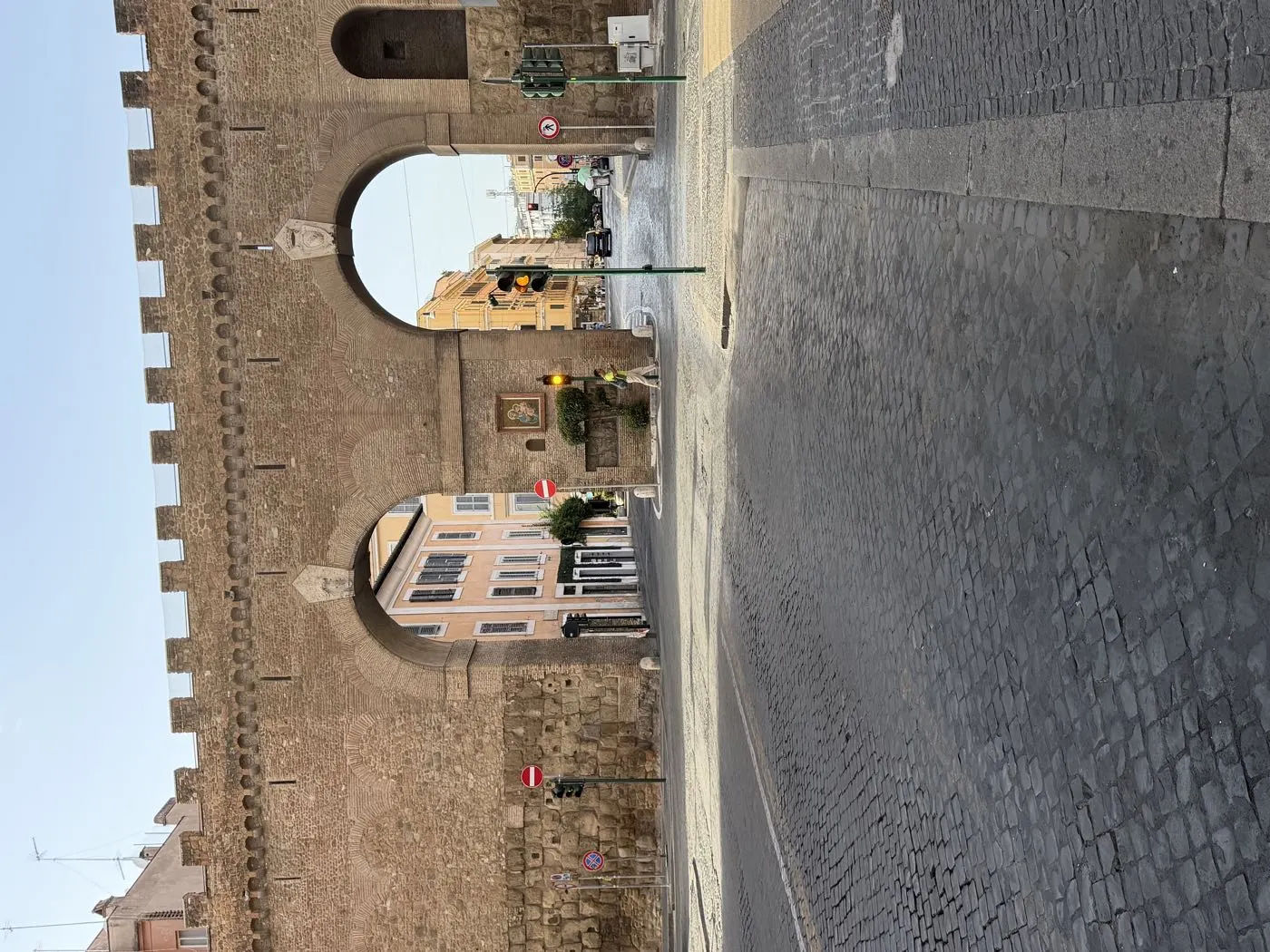
You do not see Rome in one day. You see one Rome in one day, and the difference between a good day and an exhausting one is almost entirely the order of the stops and the hour you make them.
The mistake almost everyone makes
Putting the Colosseum and the Vatican in the same day. They are three miles apart with the Tiber in between, and between lines and getting across you lose two and a half hours. People who try it end up seeing two ticket offices.
With one day, pick a side of the river. This itinerary stays on the ancient side: it is the Rome that does not exist anywhere else.
The first two hours: 7:00–9:00 a.m.
These are the hours nobody uses, and the only window when the center is empty. Low light on the cobbles, the Forum with no line in front of it, the Circus Maximus deserted.
The short loop: Colosseum from outside, Imperial Forums, Circus Maximus, the Aventine with the keyhole, the Mouth of Truth. On foot that is four miles with two real climbs; in a vehicle it is forty minutes including stops.
Mid-morning: go inside something, 9:00 a.m.–1:00 p.m.
Here you need a ticket and you need to have bought it already. Colosseum, Forum and Palatine share one admission: allow three hours if you also want the Palatine, which most people skip and which is the best part.
If ruins are not your thing: Pantheon, Piazza Navona, Campo de’ Fiori. That is a mile of walking and two unhurried hours.
Lunch, 1:00–2:30 p.m.
One rule: walk three blocks away from any monument. In Rome the gap in quality between the restaurant on the square and the trattoria around the corner is enormous, and so is the gap in price.
The afternoon is the part people get wrong
From two to five, May through September, the center is hot and crowded. This is when visitors trudge between the Trevi Fountain and the Spanish Steps along with twenty thousand other people, and are back at the hotel with ruined feet by six.
Two ways not to do that: get inside somewhere cool — the Borghese Gallery, reservation required, or the Capitoline Museums, always less crowded than they deserve — or move without walking.
Golden hour: 5:00–7:00 p.m.
The best light of the day and the moment Rome becomes livable again. The right stops are high up: the Janiculum for the view over the whole city, the Pincio above Piazza del Popolo, the Aventine with the orange garden.
Those are three different hills, far apart. You will not do all three on foot. It is the other moment in the day when having a vehicle changes the arithmetic.
Getting around, practically
Rome’s metro has two and a half lines and does not go where the sights are: there is no stop between the Colosseum and the Pantheon, and there never will be. The bus works but takes learning. A taxi in the center is as slow as walking.
We do the simple thing: we hand you an open car and you drive, with a roadbook that follows exactly the hours on this page. Two hours at sunrise or two at sunset, 190 € for two, 290 € for four, whole car. It makes sense if there are three or four of you and driving appeals; if not, our comparison of every way to tour Rome tells you which one to take.
Practical questions
How much walking is one day in Rome, really?
Seven to eleven miles on a classic itinerary. Distance is not the problem: the cobblestones and the climbs are. The seven hills are real hills.
One day or two?
Two changes everything, because it lets you split the two sides of the river. With one day you choose: ancient Rome or the Vatican, not both.
Which tickets should I buy ahead?
Colosseum and Borghese Gallery, always. Vatican Museums in high season. The rest you can manage without, though in August booking ahead still pays.
Can I drive into the center?
Not in a rental car — that needs an annual permit for the historic center zone. Quadricycles like ours are among the vehicles the City of Rome admits.
What if it rains?
Rome in the rain is the right day for the museums everyone otherwise skips. The Capitoline and Palazzo Massimo are indoors and half empty.